SAFT 021904-000 Aircraft Nicad Battery Volt
fits year: 2014.
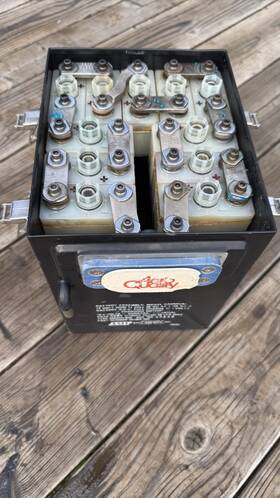
( Brand: Saft ), ( Manufacturer Part Number: 021904-000 ), ( Part Type: Battery )
Review SAFT Aircraft Nicad Battery Volt fits 2014
The Saft 021904-000 aircraft Nicad battery is a high-performance rechargeable nickel-cadmium (NiCd) power source specifically designed for aviation applications. This battery delivers a reliable and consistent 14 volts with a capacity of 22 Ah, making it an ideal choice for powering various aircraft systems.
The battery housing is made of durable and lightweight materials, ensuring it can withstand the rigors of aviation use. Its dimensions are 10.5 inches (26.7 cm) long, 7.3 inches (18.5 cm) wide, and 6.3 inches (16 cm) high. Each cell is individually vented to prevent pressure build-up and ensure safety during charging and discharge.
The Saft 021904-000 aircraft NiCd battery features a low self-discharge rate, which helps maintain its charge over extended periods. Its robust construction and high energy density make it able to provide a steady power supply even in high-drain applications.
This battery is equipped with a low voltage cutoff, which prevents over-discharge and protects the battery from damage. It also features a built-in temperature compensation circuit, which ensures that the battery's performance remains consistent in a wide range of temperatures.
The Saft 021904-000 aircraft NiCd battery is designed to meet the stringent requirements of aviation applications, including FAR/JAR 25.854. It is also eligible for the FAA's TSO-C108 certification, ensuring its compliance with the highest safety standards.
The battery comes with a set of terminals and a protective cover to prevent accidental short-circuits during handling and installation. It is recommended to use a suitable charger for NiCd batteries to ensure optimal performance and longevity.
Overall, the Saft 021904-000 aircraft NiCd battery is a versatile and dependable power solution for aviation applications, offering high energy density, long service life, and excellent reliability.
Pros and Cons of Buying Saft 021904-000 Aircraft Nicad Battery (14V)
The Saft 021904-000 is a Nicad (Nickel-Cadmium) battery designed for aircraft applications, providing a reliable source of power for various systems. Like any other product, it comes with its advantages and disadvantages. In this analysis, we will discuss both the pros and cons of investing in this battery.
Pros:1. High Energy Density: The Saft 021904-000 offers a high energy density, which means it can store a considerable amount of energy for its size. This is an essential feature for aircraft batteries, as they need to provide power for extended periods, especially during flights.
2. Long Cycle Life: This battery is known for its impressive cycle life, allowing it to undergo numerous charging and discharging cycles without significant degradation. This durability makes it an excellent investment for aircraft operators seeking a long-term solution.
3. Robust Construction: The Saft 021904-000 is built with high-quality materials and undergoes rigorous testing to ensure it can withstand the harsh conditions of aircraft environments, including extreme temperatures and vibrations.
4. Low Self-Discharge Rate: Nicad batteries, in general, have a lower self-discharge rate compared to other types, such as lithium-ion batteries. This feature is crucial for aircraft applications, as it minimizes the chances of the battery draining while not in use.
5. Wide Operating Temperature Range: The battery can operate effectively within a wide temperature range, making it suitable for various aircraft applications and climates.
Cons:1. Memory Effect: Nicad batteries are susceptible to the memory effect, where the battery gradually loses its ability to remember its full charge capacity if not fully discharged and recharged regularly. This issue can be mitigated by following proper charging and discharging practices.
2. Heavy Weight: Compared to other battery types, such as lithium-ion, Nicad batteries are heavier. This weight can add to the overall weight of the aircraft, which may impact fuel consumption and overall performance.
3. Self-Heating: Nicad batteries can generate heat during charging and discharging, which can pose a safety risk, especially in confined spaces. Proper ventilation and temperature management are essential to ensure safe operation.
4. Environmental Concerns: Nicad batteries contain cadmium, which is a toxic heavy metal. Proper disposal and recycling are crucial to minimize environmental harm.
Conclusion:The Saft 021904-000 aircraft Nicad battery (14V) possesses several advantages, including its high energy density, long cycle life, robust construction, low self-discharge rate, and wide operating temperature range. However, it also comes with some disadvantages, such as its susceptibility to the memory effect, heavy weight, self-heating, and environmental concerns.
When considering purchasing this battery, it is essential to weigh the pros and cons based on your specific requirements, such as the size and type of aircraft, the climate conditions, and your budget. If the advantages outweigh the disadvantages for your application, then the Saft 021904-000 could be an excellent investment for your aircraft power needs.
Recommendation:Based on the analysis, if you are looking for a reliable and durable battery for aircraft applications and can accommodate its weight and environmental concerns, the Saft 021904-000 aircraft Nicad battery (14V) could be an excellent choice. However, if weight reduction and minimal environmental impact are your priorities, you may want to explore other battery technologies, such as lithium-ion batteries. Always ensure you follow proper charging, discharging, and disposal practices to maximize the battery's lifespan and safety.
Details:
Saft Aircraft Nicad 021904-000 Battery 14 Volt. Untested, I have no charger to charge it.
part #: 021904000 price
- $500.00
specifications aviationpar:
- for years: 2014
- brand: Saft
- mpn: 021904-000
- part type: Battery
shipping aviationpar:
- service: FedEx Ground / FedEx Home Delivery
- type: Fixed
- transit: 5-11 Days
- class: Standard
- cost: $50.00
- carrier: FedEx
returns aviationpar:
- policy: Returns Accepted
- paid by: Buyer
- time: 30 Days
general aviationpar:
- Parts Accessories > Aviation Parts Accessories > Parts
- condition: For parts or not working
payments aviationpar:
- credit card: Discover
- wallet: Paypal
- other
seller aviationpar:
- city: Bellingham, Washington
- # reviews: 708
- rating: 98.6%
offer aviationpar:
- availability: In Stock
- quantity: 1
- started: April 21, 2026
- sold: 0
- options: Ship-to-home
Saft 021904-000 Is Similar To:
- 09052-017241-000 Saft Unused Surplus Volt Aircraft Battery America (41.1% similar) It is still in the original packaging just way they came from manufacturer and has never been charged up. This is a unused govt. I actually forgot had it. Thanks, Brian surplus batteries that I have had here in storage since...(July 5th, 2019)
- 09052 Saft America Nickel-cadmium Battery 24 Volt Govt Surplus (55.6% similar) The battery is discharged it need to be recharge before used Saft America govt...(September 1st, 2016)
- Saft 018550 Nicad Battery Box Stainless Steel P n Boeing S282t002-1 (43.5% similar) Saft aircraft nicad battery box stainless steel. Elder p/n: BA06-01. In very good condition, lid is missing. Saft part number: 018550. Boeing part: S282T002-1. Boeing: 737 - 747 757 767 series...(June 2nd, 2025)
