FFC 4262-2 Auxillary Fuel Bladder Right 310
fits make: Cessna.
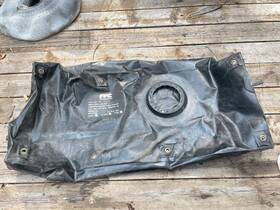
( Brand: Ffc ), ( Manufacturer Part Number: 4262-2 ), ( Part Type: Fuel )
Review FFC Cessna 310 Auxillary Fuel Bladder Right Side
The FFC 4262-2 auxiliary fuel bladder is a high-quality, lightweight solution designed for use in Cessna 310 aircraft. This fuel bladder is manufactured to meet the rigorous standards of Fuel Flex Corporation, ensuring superior durability and reliability.
The bladder is constructed from a robust, double-walled design, featuring an outer layer of 18-gauge Type III 4130 aviation aluminum and an inner layer of FuelFlex proprietary flexible fuel bladder material. This innovative design provides excellent protection against fuel contamination, corrosion, and impact damage.
Measuring 29 inches in length, 12 inches in diameter, and with a capacity of approximately 30 gallons, the FFC 4262-2 auxiliary fuel bladder offers ample fuel storage for extended flights. The bladder is easily installed in the baggage compartment of a Cessna 310, requiring no major modifications to the aircraft.
The flexible fuel bladder is equipped with a variety of features designed for ease of use and safety. These include:* A high-strength, quick-disconnect fuel fitting with a positive locking mechanism, ensuring a secure connection to the aircraft's fuel system.
* A drain valve located at the bottom of the bladder, making it simple to drain any remaining fuel before installation or removal.
* A vent valve that automatically vents excess air during installation and prevents fuel from entering the atmosphere during flight.
* A rugged, corrosion-resistant aluminum mounting bracket that securely holds the bladder in place.
The FFC 4262-2 auxiliary fuel bladder is designed and manufactured in the United States, in accordance with FAA repair station approval and FuelFlex Corporation's stringent quality control standards. It is backed by a comprehensive 12-month warranty, providing peace of mind and exceptional value for your investment.
In summary, the FFC 4262-2 auxiliary fuel bladder is a premium, reliable, and easy-to-install solution for extended fuel capacity in Cessna 310 aircraft. Its robust construction, innovative design, and user-friendly features make it an essential addition for any aviation enthusiast or professional pilot.
Buying an auxiliary fuel bladder for a Cessna 310 with FFC 4262-2 certification offers several advantages and disadvantages. Here's a detailed analysis:
Advantages:1. Extended Flight Range: An auxiliary fuel bladder increases the total fuel capacity, enabling longer flights without the need for refueling. This can save time and money, especially for cross-country or international trips.
2. Improved Safety: Having additional fuel on board reduces the risk of running out of fuel during a flight. The FFC 4262-2 certification ensures that the bladder is safe and meets regulatory requirements.
3. Redundancy: In the event of a main fuel tank leak or damage, the auxiliary fuel bladder provides a backup source of fuel, enhancing safety and minimizing the risk of an emergency landing.
Disadvantages:1. Cost: The price of an auxiliary fuel bladder for a Cessna 310 can be substantial, including the cost of installation and certification.
2. Weight: The extra fuel weight adds to the overall weight of the aircraft, which can impact performance, particularly during takeoff and landing.
3. Complexity: Installing and maintaining an auxiliary fuel bladder adds complexity to the aircraft's fuel system. Proper installation and regular maintenance are essential to ensure safe and reliable operation.
Conclusion:An auxiliary fuel bladder for a Cessna 310 with FFC 4262-2 certification offers increased flight range, improved safety, and redundancy. However, it comes with a significant cost, weight, and complexity. The decision to purchase an auxiliary fuel bladder depends on the individual's flying needs, budget, and risk tolerance.
Recommendation:If you frequently fly long distances or operate in remote areas where refueling may be challenging, an auxiliary fuel bladder can be a valuable investment. However, if you primarily fly short trips and have easy access to refueling facilities, the added cost, weight, and complexity might not be worth it. Carefully consider your flying habits and requirements before making a decision.
Details:
20 gal aux tank.
specifications aviationpar:
- for makes: Cessna
- brand: Ffc
- mpn: 4262-2
- part type: Fuel
offer aviationpar:
- availability: In Stock
- options: Ship-to-home
- quantity: 1
- best offers: True
- started: September 6, 2025
- sold: 0
payments aviationpar:
- money order
- other
- credit card: Mastercard
- wallet: Paypal
general aviationpar:
- Parts Accessories > Aviation Parts Accessories > Parts
- condition: Used
returns aviationpar:
- time: 14 Days
- policy: Returns Accepted
- paid by: Buyer
shipping aviationpar:
- service: UPS Ground
- class: Standard
- cost: $42.40
- carrier: UPS
- type: Fixed
- transit: 3-6 Days
seller aviationpar:
- # reviews: 1168
- city: Aspen, Colorado
- rating: 100.0%
Ffc 4262-2 Is Similar To:
- Ffc Manufacturing 454-326 Piper Pa-24-250 Comanche Lh Otbd Fuel Cell P n 526 0925-753 (30% similar) Removed in good condition from a parted out 1962 piper PA-24-250 Comanche N7792P, s/n 24-3009. Free shipping is usually USPS. P/n 526, 454-326. Manufactured on 5/2011 by Ffc. Piper PA-24-250 Comanche Ffc manufacturing left hand outboard fuel cell. Guaranteed to pass inspection or your money back...(September 28th, 2025)
