AIRBUS 501101-7 Fuel Cell
fits model: Ec120.
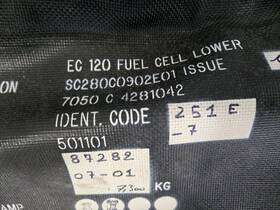
( Brand: Airbus ), ( Manufacturer Part Number: 501101-7 ), ( Part Type: Fuel Cell ), ( Compatible Make: Aerazur )
Review AIRBUS Fuel Cell As Removed fits EC120
The Airbus Helicopters EC120 fuel cell, product model number 501101-7, is a cutting-edge component designed to provide a more sustainable and efficient fuel solution for this versatile helicopter. This particular fuel cell is specifically tailored for the EC120 aircraft, ensuring seamless integration and optimal performance.
Measuring approximately 60cm x 45cm x 25cm (23.6 inches x 17.7 inches x 9.8 inches), the 501101-7 fuel cell is compact yet powerful. It employs Proton Exchange Membrane (PEM) fuel cell technology, which converts hydrogen fuel into electrical energy through a chemical reaction with oxygen from the air. This process produces only water as a byproduct, making it an environmentally friendly alternative to traditional fossil fuel sources.
The EC120 fuel cell is capable of generating up to 30kW of continuous power and 50kW of peak power. This electricity can be used to power the helicopter's electrical systems directly, reducing the dependence on heavy and bulky batteries. Additionally, any excess power generated can be stored in an onboard energy storage system for later use.
The 501101-7 fuel cell is designed with safety in mind. It features an integrated hydrogen pressure regulator, temperature controller, and leak detection system to ensure safe and reliable operation. The system is also equipped with an automatic shutdown mechanism in case of overpressure, overtemperature, or low hydrogen flow conditions.
Weighing around 100kg (220 lbs), the fuel cell is a significant investment in the future of sustainable aviation. Its integration into the EC120 helicopter promises to improve its overall efficiency, reduce emissions, and extend its operational range, making it an attractive option for eco-conscious and performance-focused operators.
In summary, the Airbus Helicopters EC120 fuel cell, model 501101-7, is a game-changing component for the EC120 aircraft. It offers increased efficiency, reduced emissions, and a more sustainable fuel solution through advanced PEM fuel cell technology. With its compact design, impressive power output, and built-in safety features, this fuel cell is a valuable investment for operators seeking to minimize their environmental footprint while maximizing performance.
The Airbus EC120 fuel cell is a promising development in the aviation industry, offering the potential for zero-emission flights through hydrogen power. Here are some pros and cons to consider when deciding whether to invest in this technology:
Pros:1. Zero Emissions: The most significant advantage of the Airbus EC120 fuel cell is its potential to produce zero emissions, making it an environmentally friendly alternative to traditional jet fuel.
2. Reduced Dependence on Fossil Fuels: Hydrogen fuel cells offer the opportunity to reduce an airline's dependence on fossil fuels, which are finite and contribute to greenhouse gas emissions.
3. Quieter Flights: Hydrogen fuel cells produce electricity through a chemical reaction rather than burning fuel, resulting in quieter flights and reduced noise pollution.
4. Improved Fuel Efficiency: Hydrogen fuel cells convert chemical energy into electrical energy with high efficiency, reducing the amount of fuel required for a given distance and resulting in cost savings over time.
5. Reduced Maintenance Costs: Hydrogen fuel cells have fewer moving parts than traditional engines, resulting in reduced maintenance costs and downtime.
Cons:1. High Upfront Costs: The technology for hydrogen fuel cells is still in its infancy, and the upfront costs of developing and implementing this technology in an aircraft are currently high.
2. Limited Range: The current range of hydrogen fuel cells in aviation is limited, and more research is needed to increase the capacity of hydrogen fuel tanks and improve the efficiency of the cells.
3. Infrastructure Challenges: Hydrogen fuel infrastructure is still being developed, and it will take time and investment to build the necessary refueling stations and transport infrastructure for hydrogen.
4. Safety Concerns: Hydrogen is highly flammable and requires careful handling and storage, which can pose safety challenges in the aviation industry.
5. Limited Availability: Currently, the Airbus EC120 fuel cell is still in the development stage, and it may be some time before it becomes widely available for commercial use.
Conclusion:The Airbus EC120 fuel cell represents an exciting development in the aviation industry, offering the potential for zero-emission flights and reduced dependence on fossil fuels. However, the technology is still in its infancy, and there are significant challenges to overcome, including high upfront costs, limited range, infrastructure challenges, safety concerns, and availability.
Recommendation:For organizations or individuals considering investing in the Airbus EC120 fuel cell, it is recommended to closely monitor the development of this technology and stay informed about advancements and improvements. It may also be worth considering investing in research and development efforts to help accelerate the commercialization of hydrogen fuel cells in aviation. In the meantime, traditional jet fuel remains the most viable option for aviation, but ongoing efforts to improve fuel efficiency and reduce emissions can help mitigate the environmental impact of air travel.
Details:
Sold as is with no warranty. Airbus Fuel Cell as removed. EC120 Fuel Cell 501101-7. Aerazur 7050C4281042.
part #: 5011017 price
- $1200.00
specifications aviationpar:
- for models: Ec120
- brand: Airbus
- mpn: 501101-7
- part type: Fuel Cell
- compatible make: Aerazur
returns aviationpar:
- policy: No Returns
payments aviationpar:
- wallet: Paypal
- credit card: Discover
- other
seller aviationpar:
- city: Chicago, Illinois
- rating: 100.0%
- # reviews: 20
general aviationpar:
- Parts Accessories > Aviation Parts Accessories > Parts
- condition: Used
offer aviationpar:
- options: Ship-to-home
- started: May 27, 2025
- quantity: 1
- best offers: True
- availability: In Stock
- sold: 0
shipping aviationpar:
- carrier: FedEx
- cost: $33.33
- type: Calculated
- service: FedEx Ground or FedEx Home Delivery
- class: Standard
- transit: 3-9 Days
Airbus 501101-7 Is Similar To:
- Airbus Helicopter 704a44510022 Pump Fuel (38.6% similar) The manufacturer part number is 704A44510022 and it compatible with the AS365 model. Made in the USA, this pump fuel/Airbus helicopter part is durable and long-lasting. It is perfect for those who want to maintain their aviation equipment with ease. This high-quality pump fuel/Airbus helicopter part...(September 23rd, 2024)
- Airbus P94b12-209 Status Unknown Helicopter Fuel Pump No 8130 Ships Fast (33.3% similar) This is for a status unknown Airbus helicopter fuel pump P94B12-209 no 8130 one dent on the body, otherwise in very good condition. It will not arrive damaged. No rust, dust or oxidation. No rattling or loose pieces. No other flaws or issues to point out...(January 22nd, 2025)
