BGF INDUSTRIES 7725-38-627-10YDS Yards Twill Fiberglass Fin Silane 8.5 2X2 Thayercraft
fits year: 2010.
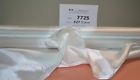
( Brand: Bgf Industries ), ( Manufacturer Part Number: 7725-38-627-10YDS ), ( Compatible Make: Rutan ), ( Country/region Of Manufacture: United States )
Review BGF INDUSTRIES Yards 8.5 Oz 2x2 Twill Fiberglass Cloth 38 Wide 7725 Silane Fin Thayercraft fits 2010
The Thayercraft BGF 7725-38-627-10yds is a high-quality, 10-yard length of 2x2 twill fiberglass fabric, specifically designed for boatbuilding and repair applications. This product features a silane finish, which provides exceptional resistance to water absorption and ensures the longevity of the fabric, making it ideal for use in marine environments.
The 2x2 twill weave of the fabric provides excellent strength and durability, as well as a smooth, even surface that is easy to work with. The fiberglass material is lightweight yet strong, making it an ideal choice for boatbuilders and repairers looking for a durable and versatile fabric solution.
The Thayercraft BGF 7725-38-627-10yds is also easy to handle and cut to size, thanks to its consistent width and length. This product is ideal for use in a variety of boatbuilding and repair applications, including hull repair, decking, and laminating.
Overall, the Thayercraft BGF 7725-38-627-10yds is a high-quality, durable, and versatile fabric solution for boatbuilders and repairers looking for a reliable and long-lasting option. Its silane finish provides excellent resistance to water absorption, while its 2x2 twill weave ensures strength and durability. This product is easy to handle and cut to size, making it an ideal choice for a wide range of boatbuilding and repair applications.
Pros of buying 7725-38-627-10yds 10 yards 2x2 twill fiberglass with silane finish from Thayercraft BGF:1. Durability: Fiberglass is a strong and durable material that resists damage from impact, abrasion, and weather conditions. This makes it an ideal choice for outdoor applications.
2. Lightweight: Fiberglass is lighter than materials like wood or metal, making it easier to handle and transport.
3. Chemical Resistance: The silane finish on this product provides excellent chemical resistance, protecting the fiberglass from corrosion and degradation.
4. Waterproof: Fiberglass is naturally waterproof, making it an excellent choice for applications where water resistance is important.
5. Low Maintenance: Fiberglass requires little to no maintenance, as it does not rot, warp, or swell like other materials.
Cons of buying 7725-38-627-10yds 10 yards 2x2 twill fiberglass with silane finish from Thayercraft BGF:1. Cost: Fiberglass can be more expensive than other materials such as wood or metal, especially when considering the silane finish.
2. Limited Colors: Fiberglass is typically available in a limited range of colors, which may not match the desired aesthetic of some projects.
3. Limited Customization: Fiberglass is a relatively standard material, and customization options are limited compared to materials like wood or metal.
Conclusion:The 7725-38-627-10yds 10 yards 2x2 twill fiberglass with silane finish from Thayercraft BGF is a high-quality material that offers excellent durability, lightweight, chemical resistance, and waterproof properties. While it may be more expensive than other materials, its low maintenance and long-lasting properties make it a worthwhile investment for outdoor applications. However, its limited color options and customization capabilities may be a drawback for some users.
Recommendation:If durability, lightweight, and chemical resistance are important factors in your project, and you are willing to pay a premium for these properties, then the 7725-38-627-10yds 10 yards 2x2 twill fiberglass with silane finish from Thayercraft BGF is an excellent choice. However, if you are looking for a more customizable material with a wider range of color options, you may want to consider alternative materials such as wood or metal.
Details:
The third letters filament size designate which for 9 microns. This was a huge oversimplification of the process but at least gave some degree an understanding fiberglass finishing. To add the confusion there is a 4 harness satin weave in same weight range, thread count but with thicker filament, known as 220 by some weavers and 2220 others.
The width is 96. At this stage it still have the ova oily film on. 9 oz sq yd 8 harness satin and 6781 is the s-glass version of we sent roll samples to one company, by their request, having various finishes none would work but cloth in Grieg.
I got samples of silane, baked the cloth in oven, washed cloth, made a makeshift bath with silane - what bunch work good experience and me really appreciate sophistication finishing process done by weavers. 5 microns to 13. After the cloth is woven starch oily stuff burnt off and silane or Golan added which helps create a bond to glass.
Except for the ends of poly tube plastic cloth with paper is in tape just used on outside roll corrugated wrap. Weavers may have tried this also. 2 x 7 threads per centimeter warp and fill. Having the thicker filament makes cloth a little stiffer and finish just adds its effect also.
Glass filament diameters have a letter designation system as illustrated in the following table using that given one of Bgf Industries handbooks. For ecg75 there are 7500 yards per pound of this yarn. S-glass is considered to be 20 stronger than e-glass and more expensive, by what i've heard from techs at the yarn producer, because of higher equipment costs processing temperatures.
1 meters in length of 96. There is also quartz, or pure silica, used in high temperature fabrics that essentially silicone dioxide. The oz sq yd is for actual ounces per square yard of fabric.
Why fiberglass cloth is finished: in the Grieg loom state or what it just after weaving. These are nominal diameter values and its not clear if the inches was converted to microns or vise versa but this will give an idea of filament size fiberglass cloth construction:the typical I put for any given fiberglass go something like 4 oz sq yd, 30x30 ends inch thread count, uses yarn ecg75 1 in warp fill. Fiberglass cloth, plus some carbon and Kevlar, is what we do.
In my example I put the same for both warp and fill which is ecg75 next component of fabric thread count number yarn per inch first then s-glass version i'm not totally sure. Some photos may be of different yardages roll to show the with paper and plastic but you'll getting 10 linear yard. You can't even get the white out. There are some finish processes where of the ova is left on and silane added - all for specific end results one which being ballistics result a glass resin matrix that doesn't have good bond allow to slide under impact like bullet's or shrapnel.
When cloth is woven in the us yarn has an oily starch like material known as poly vinyl alcohol ova that helps it slide and prevent breakage during weaving. A process similar to this is used for melamine laminates. Cloth like this has a slippery feel to it and you can actually smell the distinct odor on.
The phrase in Grieg is used a lot and has nothing to do with color. Molten glass, of any chosen composition, is pulled through million dollar dies with holes small enough to allow multiple strands being continuously and in a way create long perfect true mono filament rods. I know because tried just for curiosity sake back in the 80s when was trying to come up with my own backyard finishing process. The most notable differences in composition of e-glass and s-glass is that's glass has a higher concentration silicone dioxide 65 for compared to 55, no or negligible amounts calcium oxide where double amount aluminum 25 vs 14 more magnesium.
Some other abbreviations used are: 4hs: four harness satin, 8hs: 8 PW: plain weave. Since that time the 497a finish has been created which is more of an aerospace type silane. At any rate this is the standard Burt rutan type bidirectional 2 x twill weave used in their beautifully designed aircraft as well cozy experimental. Fiberglass cloth in the Grieg with oily ova on it will not work resins.
But for the most part all us made fiberglass cloth has ova on yarn during weaving to prevent breakage then goes through very expensive processes clean this slippery film off by heating and washing pulling a bath add silane or Golan. 5 ounce per square yard us. The glass is melted in ovens and pulled through holes dies that drawn down to perfect rods. So you can see the smaller diameter of glass rod used in yarn greater tensile strength and resulting cloth.
One group of fiberglass cloth styles that seems to be effected more than any other are the satin weaves, particularly 4 harness weaves and still specific 3 ounce crowfoot. C-glass is a chemical resistant type of glass composition used in stucco and concrete reinforcement for its alkali resistance. S-glass also has the addition of about 10 magnesium oxide where e-glass is minimal.
So the three g75 yarn add up to same as g25. Made fiberglass cloth 7725 with silane 627 finish for any resin 120, example, is greatly effected by the it has. I have seen some silane that are normally soft be stiff on the same of fiberglass fabric.
How fiberglass cloth is finished: the normal spill I give for finished goes like this. The finish 627 was originally produced as a to replace Golan and be clear required by surfboard builders. For silane I always say something like the silicone dioxide in glass bonded with methods groups on silane and one variable organic group was left available to bond whatever resin being used. Problems were found in producing filaments this small and not practical but yarn manufacturers commonly produce strands down to 3.
The same as you would lay a ruler down and count warp threads ones that go long ways cloth number of fill thread - side to yarn per inch. This is the only time I ever use square yards in identification of cloth. The smaller diameter of this glass rod stronger yarn thus cloth.
Grieg means the cloth is in loom state and still has ova on it - good for silicone rubber coating but not resins. This cloth is inferior because of the breakage yarn with resin compatible finish on sliding less than oily ova. Rolls are carefully packed rolling everything in the same direction so theres no double back wrinkling of cloth. Just imagine a single 1/4 glass rod being pulled in tensile and scratching it somewhere with hacksaw blade allowing to easily break can range all the way from soft good Golan finish like 504 really stiff something z6040 or variants thereof.
The more strands in rope a possible breakage is spread out really just an 18 x ends inch thread count but weaver lists it as 54 because they 75 yarn 3 times. Two of which are silane and 497a both made by Bgf Industries the just-slightly-softer 504 Golan. 5 centimeters.
S-glass is essentially a stronger version of e-glass used in composites having corresponding types weaves and similar numbers. You are paying in other words the 75 means add 2 zeros for 7500 yards per pound of yarn and two to 25 fill just 2500.
One way i'm using to indicate the softness or drape of any specific with varying finishes is shaping cloth over a baseball. Golan was done the same way except for forming a chrome complex with glass.
There has been experimentation with filament diameters down to 1 micron incredible tensile values. 10 linear yards of 38 wide 8. What I think happens, and i'm sure there are many people out reading this that know for sure, is some molecular cross linking between the glass strands.
Metric info on 7725style 7725 is a 288 grams per square meter 2 x twill weave fiberglass cloth with thread count of 21. Compare this to a 1/4 bundle of glass yarn and trying cut it with hacksaw. 7725 is a 8.
5 oz sq yd balanced 2 x twill weave fabric with a thread count of 54 18 ends inch and uses the yarn ECG 1 in warp each fill. Because of some kind kerfuffle about the styles 7725 and 7715 uni already existing Burt changed his numbers to reverse as in 5277 otherwise its same cloth.
If it was ECG would be two g75 yarn together. This can be visualized by comparing a bundle of these glass rods to the strands in rope. The 1 means there are only one g75 yarn being used.
The e means its common electrical type could also be c IRS, second letter just its continuous mono filament rods. The next component is of yarn being used. When I was at one of the weavers plants asked and told that if their technicians don't determine enough finish added they run it back through a second time. Some details on how fiberglass cloth is manufactured:chemistry of made from weaving yarn that glass.
It will not even wet out.
There is also cloth that comes from overseas was woven with the yarn already in finished state before weaving. It may be that for the rubber glass matrix to flexible needs this barrier prevent silicone bonding would occur if cloth was heat cleaned or post finished even further with silane Golan. The 627 is preferred more for esters but still works with epoxy.
specifications aviationpar:
- for years: 2010
- brand: Bgf Industries
- mpn: 7725-38-627-10yds
- compatible make: Rutan
- country/region of manufacture: United States
Ratings:
- Smooth transaction. Very well packed. Nice guitar. Nice guy. 10-15-18
- excellent seller, great communicator, thanks steve 10-25-18
- Great communication. A pleasure to do business with. 10-11-18
- Great transaction thanks. AAAAA 10-11-18
General aviationpar:
- Aviation Parts Accessories > Other
- in stock: Yes
- condition: New
Returns aviationpar:
- policy: no returns
Shipping aviationpar:
- cost: $0.0
- handling: 1 days
- type: Flat
Seller aviationpar:
- # feedbacks 10-26-18: 3693
- rating 10-26-18: 100.0%
- zipcode: 27260
- city: High Point, North Carolina
Offer aviationpar:
- quantity: 5
- Sold: 0
- best offer: false
- bids: 0
- Started: October 26, 2018, 3:57 am
Payments aviationpar:
- PayPal
