ELDEC CORP 8-484-01 Proximity Sensor Airbus A319 A321 A330 A340 P/n
fits model: A320.
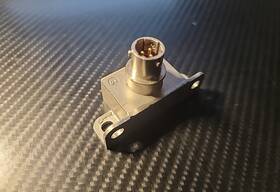
( Brand: Eldec Corp ), ( Manufacturer Part Number: 8-484-01 ), ( Part Type: Sensor ), ( Compatible Make: Boeing ), ( Country/region Of Manufacture: United States )
Review ELDEC CORP Proximity Sensor Airbus P/n fits A320
The ELDEC 8-484-01 proximity sensor is a versatile and reliable component designed for use in various aircraft models, including the Airbus A319, A320, A321, A330, and A340. This sensor is an essential part of the aircraft's avionics system, used to detect the presence and proximity of other objects, particularly during takeoff, landing, and taxiing.
The ELDEC 8-484-01 proximity sensor is a solid-state device, which means it operates without any moving parts, ensuring durability and reliability even in the harsh aviation environment. It utilizes microwave technology to detect objects by emitting microwave signals and measuring the reflection of these signals off nearby objects.
The sensor has a wide detection angle of 120 degrees and a detection range of up to 10 meters, providing comprehensive coverage for the aircraft's surroundings. It is designed to operate in temperatures ranging from -40 degrees Celsius to 85 degrees Celsius and can withstand high levels of electromagnetic interference.
The ELDEC 8-484-01 proximity sensor is easy to install and integrate into the aircraft's avionics system. It is compatible with various interfaces, including ARINC 429 and CAN bus, allowing seamless communication with other aircraft systems. The sensor also features self-diagnostic capabilities, which help to ensure its proper functioning and enable quick identification of any potential issues.
The ELDEC 8-484-01 proximity sensor is manufactured to the highest standards of quality and is approved by various aviation authorities, including the European Aviation Safety Agency (EASA) and the Federal Aviation Administration (FAA). It is also RoHS compliant, ensuring that it contains no hazardous substances.
In summary, the ELDEC 8-484-01 proximity sensor is a critical component for aircraft safety, offering reliable and accurate detection of objects in the aircraft's vicinity. Its solid-state design, wide detection angle, and compatibility with various interfaces make it a versatile and valuable addition to the avionics system of the Airbus A319, A320, A321, A330, and A340.
Proximity sensors, such as the ELDEC 8-484-01, play a crucial role in various aircraft systems, including engine and wing ice protection, wing leading edge high-lift devices, and cargo door position detection. Installing such sensors on Airbus A319, A320, A321, A330, and A340 models can offer several benefits and drawbacks.
Pros:1. Improved Safety: Proximity sensors help prevent collisions between the aircraft and obstacles, such as other aircraft, ground vehicles, or structures during ground maneuvers and takeoffs and landings.
2. Enhanced System Performance: By providing accurate and real-time data on the proximity and position of various objects, proximity sensors help ensure optimal system performance and reliability.
3. Reduced Maintenance: Proximity sensors can help reduce maintenance costs by detecting potential issues before they cause significant damage to the aircraft.
4. Compliance with Regulations: Installing proximity sensors on Airbus aircraft can help ensure compliance with various aviation regulations and industry standards.
5. Improved Situational Awareness: Proximity sensors provide pilots and ground personnel with valuable situational awareness, enabling them to make informed decisions and take appropriate actions in real-time.
Cons:1. Cost: Proximity sensors can be expensive to purchase and install, especially when considering the number of sensors required for various applications across an aircraft fleet.
2. Complexity: Installing and integrating proximity sensors into an aircraft's systems can be complex and time-consuming, requiring specialized knowledge and expertise.
3. Maintenance: Proximity sensors require regular maintenance and calibration to ensure accurate and reliable performance.
4. Power Consumption: Proximity sensors consume power, which can impact an aircraft's overall fuel efficiency and operating costs.
5. Installation Space: Installing proximity sensors can require significant space, which can impact an aircraft's payload capacity and overall design.
Conclusion:The ELDEC 8-484-01 proximity sensor offers several benefits for Airbus A319, A320, A321, A330, and A340 aircraft, including improved safety, enhanced system performance, reduced maintenance, regulatory compliance, and situational awareness. However, it also comes with challenges such as cost, complexity, maintenance requirements, power consumption, and installation space.
Ultimately, the decision to install ELDEC 8-484-01 proximity sensors on Airbus aircraft depends on a number of factors, including the specific operational requirements, regulatory environment, and cost-benefit analysis of the organization. If the benefits outweigh the costs and challenges, then installing these sensors can provide significant value to the aircraft fleet.
Details:
ELDEC PROXIMITY SENSOR LANDING GEAR, PART NUMBER: 8-484-01, CRANE AEROSPACE ELECTRONICS, ALL METAL USED ON GEARS AND CARGO doors SENSING POSITION, Used on: AIRBUS A319 A320 A321 A330 A340, AS REMOVED CONDITION. REF: EBB18 ELDEC PROXIMITY SENSOR LANDING GEAR.
part #: 848401 price
- $256.00
specifications aviationpar:
- for models: A320
- brand: Eldec Corp
- mpn: 8-484-01
- part type: Sensor
- compatible make: Boeing
- country/region of manufacture: United States
seller aviationpar:
- # reviews: 1827
- city: Orlando, Florida
- rating: 100.0%
offer aviationpar:
- started: March 14, 2025
- availability: In Stock
- quantity: 1
- options: Ship-to-home
- sold: 0
shipping aviationpar:
- transit: 5-12 Days
- type: Fixed
- class: Expedited
- carrier: USPS
- cost: $0.00
- service: USPS Priority Mail
payments aviationpar:
- credit card: Discover
- wallet: Paypal
- other
returns aviationpar:
- paid by: Buyer
- policy: Returns Accepted
- time: 30 Days
general aviationpar:
- Parts Accessories > Aviation Parts Accessories > Parts
- condition: Used
Eldec Corp 8-484-01 Is Similar To:
- 8-345-03 Eldec Proximity Sensor (41.9% similar) Eldec proximity sensor P/N sold as is, new surplus 4-B...(March 6th, 2017)
- Eldec Corp 8-933-01 4ea Proximity Sensor Airbus A318 a319 a320 And A321 Enhanced (70.5% similar) 4 Eldec 8-933-01 proximity sensor -, part number: 8-933-01, used on: airbus A318/A319/A320 enhanced A321 aircraft's...(September 9th, 2024)
- Eldec Corp 8-933-01 08748 4ea Proximity Sensor Airbus A318 a319 a320 And A321 (69.3% similar) 4 Eldec 8-933-01 proximity sensor -, part number: 8-933-01, mfr: 08748, used on: airbus A318/A319/A320 enhanced A321 aircraft's. Ref: EBB18 4 Eldec 8-933-01 proximity sensor...(March 13th, 2025)
- Eldec Corp S9910312-1 Cessna Fuel Flow Switch Pn Model 8-100-02 (23.2% similar) Cessna fuel flow switch, pn S9910312-1, model 8-100-02, it appears to be in very good condition...(August 30th, 2025)
