AIRCRAFT OIL VENT VALVE 870103-1
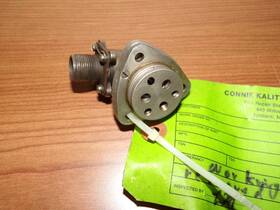
( Brand: Aircraft Oil Vent Valve ), ( Manufacturer Part Number: 870103-1 )
Review AIRCRAFT OIL VENT VALVE
Product Name: Aircraft Oil Vent Valve 870103-1
The Aircraft Oil Vent Valve 870103-1 is an essential component designed for use in aviation applications. This valve is engineered to maintain optimal engine oil pressure and prevent excessive buildup of pressure within the oil system.
Constructed from high-quality materials, the valve body is typically made of aluminum alloy, while the internal components are made of stainless steel. The durable design ensures long-lasting performance even in harsh operating conditions.
The valve operates automatically, opening when the oil pressure reaches a specific threshold, allowing excess oil vapors to escape. This helps prevent damage to the engine caused by high oil pressure. When the oil pressure drops below a certain level, the valve closes, preventing oil loss.
The 870103-1 valve is designed to meet the stringent requirements of FAA-PMA certifications, ensuring compatibility with various aircraft models and engines. It is easy to install, replacing the existing oil vent valve with minimal disassembly of the engine required.
The valve comes complete with all necessary hardware for installation, including gaskets and mounting bolts. The package also includes clear installation instructions for easy and accurate installation.
By utilizing an Aircraft Oil Vent Valve 870103-1 in your aircraft, you can ensure the reliability and longevity of your engine system, while maintaining compliance with regulatory requirements.
Aircraft oil vent valves, specifically model 870103-1, play a crucial role in the safe and efficient operation of aircraft engines. These valves regulate the flow of oil from the engine to the sump, preventing the buildup of pressure and ensuring proper lubrication. Let's discuss the pros and cons of purchasing a new aircraft oil vent valve 870103-1.
Pros:1. Safety: A faulty oil vent valve can lead to engine damage or even catastrophic failure. By investing in a new valve, you ensure the safety of your aircraft and its passengers.
2. Improved Performance: A new oil vent valve can enhance engine performance by maintaining the correct oil pressure and flow. This results in smoother engine operation, reduced wear, and improved fuel efficiency.
3. Compliance with Regulations: Adhering to regulatory requirements is essential for maintaining the airworthiness of your aircraft. Replacing worn-out or outdated components, such as an oil vent valve, is a necessary part of this process.
Cons:1. Cost: Replacing an aircraft oil vent valve can be a significant investment. The cost of the new valve, installation, and labor can add up, especially for larger aircraft.
2. Downtime: Installing a new oil vent valve requires taking the aircraft out of service for a period of time. This can lead to lost revenue, particularly for commercial operators.
3. Complexity: The installation process for an aircraft oil vent valve can be complex, involving intricate wiring and plumbing connections. This increases the likelihood of errors and potential complications during installation.
Conclusion:Investing in a new aircraft oil vent valve 870103-1 offers several benefits, including improved safety, enhanced performance, and regulatory compliance. However, the cost, downtime, and installation complexity are significant drawbacks. Weighing these factors against the potential risks of operating with a faulty or outdated valve, the recommendation is to prioritize safety and replace the valve as needed. Regular maintenance and timely component replacement are essential for ensuring the safe and efficient operation of your aircraft.
Details:
Airworthiness is ONLY determined by the FAA approved mechanic or certified repair station. Comes with tag. P/N 870103-1. Any is for the sole purpose of identifying an item.
Aircraft Part For Sale: Oil Vent Valve.
part #: 8701031 prices
- $39.99-$49.99
specifications aviationpar:
- brand: Aircraft Oil Vent Valve
- mpn: 870103-1
general aviationpar:
- Parts Accessories > Aviation Parts Accessories > Parts
- condition: Used
payments aviationpar:
- credit card: Diners-club
- other
- wallet: Apple-pay
seller aviationpar:
- # reviews: 9173
- city: Peoria, Arizona
- rating: 99.9%
shipping aviationpar:
- type: Fixed
- transit: 4-9 Days
- service: Expedited
- cost: $5.50
- class: Expedited
offer aviationpar:
- options: Ship-to-home
- quantity: 1
- availability: In Stock
- started: July 26, 2025
- best offers: True
- sold: 0
returns aviationpar:
- policy: Returns Accepted
- time: 14 Days
- paid by: Buyer
Aircraft Oil Vent Valve 870103-1 Is Similar To:
- 03440 Reed Aircraft Tool Oil (40% similar) Cuts open filter without introducing chips into. Cuts filter diameters from to replacement cutting wheel is Oil filter cutter. Works on all filters. New Oil filter cutter that's used in the same manner as a tube...(September 7th, 2017)
- 103154-909-2 Aircraft Rebuilt Airplane Cabin Pressure Safety Valve Outflow (35.8% similar) Buyer pays just because it is nos does not mean may meet your expectations. Shipping in the lower 48 states. Actual offer items are pictured. A lot of parts have factory flaws. Rebuilt airplane Aircraft cabin pressure safety Valve outflow this is a unit and comes exactly as shown. Over 21 years on. ...(March 28th, 2019)
- 1200-5 Aircraft Pneu Draulics Hydraulic Pressure Relief Valve Psi (35.1% similar) Buyer pays shipping...(March 5th, 2018)
- 120w5lt Aeroshell Aircraft Piston Engine Oil (31.6% similar) Product benefits: promotes engine cleanness. Software and DVDs are ineligible for return if the original packaging has been opened provides compatibility with other approved Aircraft piston engine Oils. Product benefits: promotes engine cleanness aerosol w Oils are inherently stable in storage high ...(July 8th, 2018)
- 12d1010 Allen Aircraft Inc Valve Fill Water Bac Prod (40.5% similar) New water fill Valve. Part number 12D1010...(February 20th, 2019)
- 20002a Aavid Ndm-ntp Aircraft Oil (36.9% similar) 20002ASIZE no. Of rows: 7 ND NP certified Oil cooler airflow systems maintains one the largest inventories now coolers for Aircraft. Please refer to the Pam application guide and detailed drawings find appropriate Oil cooler for your Aircraft. ND part no...(January 30th, 2018)
- 20003a Aavid Ndm-ntp Aircraft Oil (36.9% similar) Of rows: 9 ND NP certified Oil cooler airflow systems maintains one the largest inventories now coolers for Aircraft. ND part no.: 2000 3ASIZE no. Please refer to the Pam application guide and detailed drawings find appropriate Oil cooler for your Aircraft...(January 30th, 2018)
- 20004a Aavid Ndm-ntp Aircraft Oil (36.9% similar) 20004ASIZE no. Of rows: 10 ND NP certified Oil cooler airflow systems maintains one the largest inventories now coolers for Aircraft. ND part no. Please refer to the Pam application guide and detailed drawings find appropriate Oil cooler for your Aircraft...(January 30th, 2018)
- Part 24030 Blue Spring Genuine Aircraft 4 Valve Continental (35.2% similar) Is sold as is but is guaranteed to be as represented...(March 1st, 2015)
- 2606-0 Aircraft National Lift Water Valve (52.1% similar) Nos was marked on box vol. Damp Valve maybe velocity dampening Valve as is...(March 7th, 2015)
- 3d1549-02a-1 Aircraft De-ice Bf Goodrich Shuttle Valve P N (40% similar) ...(September 26th, 2016)
