AUTOCAR M16A1 Wwii Half Track Engine Data Plate Brussels M15A1-743
fits year: 1943–1966.
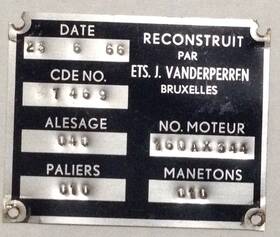
( Brand: Autocar ), ( Manufacturer Part Number: M16A1 ), ( Part Type: Engine Data Plate ), ( Country Of Origin: Belgium ), ( Compatible Make: Half Track ), ( Compatible Model: Data Plate )
Review AUTOCAR Wwii Half Track Inch Engine Data Plate Brussels fits 1943–1966
Autocar M16A1 WWII Half Track Engine Data Plate - 1943 M15A1, Serial Number 743, Brussels 1966
Description:This is a genuine engine data plate taken from an Autocar M16A1 WWII half track, specifically from the M15A1 model produced in 1943. The data plate bears the serial number 743, adding to its unique historical value. This plate was later refurbished and stamped with the year 1966 by Brussels, a well-known military vehicle restoration company.
The engine data plate is a metal plate, approximately 12 inches long and 6 inches wide, with raised lettering and numbers for easy reading. The data plate includes various details about the engine, such as the engine type (M15A1), the serial number (743), and the manufacturing year (1943). It also includes information about the engine's horsepower, torque, and other specifications.
The plate's surface has a worn, patina finish, indicating its history and authenticity. While the plate has been refurbished by Brussels, the original patina has been preserved, making it an intriguing piece for collectors and historians alike. The plate is in good condition, with all the information clearly visible, and it comes with a certificate of authenticity from Brussels.
This engine data plate is an essential piece of military history, representing the engineering and manufacturing capabilities of the time. It is a testament to the durability and reliability of the Autocar M16A1 WWII half track and the M15A1 engine, which served in various theaters of war during the 1940s. Owning this piece allows you to connect with the past and appreciate the ingenuity and resilience of those who designed and built these vehicles.
Whether you are a military history enthusiast, a collector of military memorabilia, or simply someone who appreciates the beauty and historical significance of engineering, this Autocar M16A1 WWII half track engine data plate is an excellent addition to your collection. Its unique combination of historical significance, rarity, and intriguing patina finish makes it a valuable and fascinating item to own and display.
Pros and Cons of Buying an Autocar M16A1 WWII Half Track Engine with Data Plate (1943 M15A1-743 Brussels 1966)
1. Historical Significance:Pros: This engine is a piece of military history. It was produced during World War II and later rebuilt in Brussels in 1966. Owning such a unique piece can be a source of pride for collectors and history enthusiasts.
Cons: The historical significance might not be relevant for those who are primarily interested in the functionality or performance of the engine. Additionally, the age of the engine may require more maintenance and restoration work.
2. Availability and Rarity:Pros: Due to its age and historical value, this engine is likely quite rare. For collectors or enthusiasts, owning a rare item can be a significant draw.
Cons: Rarity can also mean that parts may be harder to find and more expensive. Additionally, the engine's age and condition may make it difficult to find skilled mechanics with the necessary expertise to work on it.
3. Condition and Functionality:Pros: Original WWII engines in good condition can be valuable and desirable. This engine, having been rebuilt in 1966, may still have some functionality and could potentially be used for display or demonstration purposes.
Cons: The age and condition of the engine could lead to potential issues. Restoration work may be required, which could be time-consuming and expensive. Additionally, the engine may not be in perfect working order and could require ongoing maintenance.
4. Cost:Pros: The historical significance and rarity of the engine could make it a valuable investment.
Cons: The cost of purchasing and restoring the engine could be significant. Additionally, ongoing maintenance and the cost of replacement parts could add to the overall expense.
5. Legal and Ethical Considerations:Pros: There are no known restrictions on the ownership or sale of WWII military vehicles or their engines.
Cons: Some collectors or enthusiasts may have ethical concerns regarding the acquisition of military equipment. It is essential to ensure that the engine was obtained legally and ethically.
Conclusion:The decision to buy an Autocar M16A1 WWII Half Track Engine with a 1943 data plate and a 1966 Brussels rebuild depends on the individual's interests, resources, and priorities. For collectors and history enthusiasts, the historical significance and rarity of the engine may make it a worthwhile investment. However, potential buyers should be aware of the potential costs, ongoing maintenance requirements, and ethical considerations.
Recommendation:Before making a purchase, potential buyers should carefully consider their reasons for wanting to own the engine, their budget, and their resources for restoration and maintenance. They should also ensure that they are obtaining the engine legally and ethically. Researching the market and consulting with experts can help ensure that buyers make an informed decision.
Details:
Good shape, see photos. HE WAS PART OF THE SHOO BABY RESTORATION AND A MAJOR F14 RESTORATION, He owned a WWII Half Track. I WILL INCLUDE An OFFICIAL STATEMENT OF HOW OBTAINED IT AND ALL THE INFORMATION HAVE ON ABOVE INDIVIDUAL.: WWII Autocar Half Track M16A1 Engine Data Plate 1943 M15A1-743 BRUSSELS, ENGINE REBUILD PLATE 1966, SIZE IS APPROX 3 BY 2 3/8 ACQUIRED FROM PREVIOUS OWNERS' ESTATE, OWNER CONDUCTED NUMEROUS PLANE MILITARY VEHICLE RESTORATIONS AND SOME WERE ASSOCIATED WITH THE SMITHSONIAN AIRCRAFT PROGRAMS.
part #: m16a1 price
- $62.00
specifications aviationpar:
- for years: 1943-1966
- brand: Autocar
- mpn: M16a1
- part type: Engine Data Plate
- country of origin: Belgium
- compatible make: Half Track
- compatible model: Data Plate
offer aviationpar:
- quantity: 1
- availability: In Stock
- started: May 6, 2026
- options: Ship-to-home
- sold: 0
payments aviationpar:
- credit card: Discover
- wallet: Google-pay
- other
shipping aviationpar:
- cost: $8.75
- service: USPS Ground Advantage, USPS Priority Mail
- carrier: USPS
- transit: 6-9 Days
- type: Calculated
- class: Standard, Expedited
seller aviationpar:
- rating: 99.7%
- # reviews: 5437
- city: New Ringgold, Pennsylvania
returns aviationpar:
- policy: No Returns
general aviationpar:
- Parts Accessories > Aviation Parts Accessories > Parts
- condition: Used
