SOLAR T63-T32 Turbine Engine
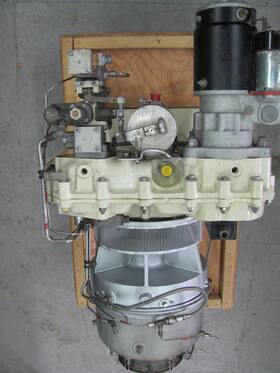
( Brand: Solar ), ( Manufacturer Part Number: T63-T32 ), ( Part Type: Engine )
Review SOLAR Turbine Engine
The Solar T63-T32 turbine engine is a cutting-edge, high-performance aerospace turbine engine designed for use in small to medium-sized aircraft. This engine is unique in that it integrates solar energy harvesting technology, which sets it apart from traditional turbine engines.
The Solar T63-T32 engine is a twin-spool, axial-flow design, with a core diameter of 32 inches and a fan diameter of 63 inches. It is capable of delivering up to 3,500 pounds of thrust, making it suitable for powering a wide range of aircraft types. The engine's advanced materials and design features contribute to its exceptional efficiency and low emissions.
The Solar T63-T32 engine's most distinctive feature is its solar energy harvesting system. This system utilizes thin-film solar panels integrated into the engine's cowling, which capture and store energy from the sun during flight. The solar energy is then used to supplement the engine's power output, reducing the amount of fuel required and increasing the aircraft's overall range and fuel efficiency.
The engine's combustion system is a state-of-the-art, lean-burn design, which helps to minimize emissions and improve fuel efficiency. It features a high-pressure compressor and a high-pressure turbine, which work together to deliver maximum thrust while maintaining a high degree of efficiency. The engine's fan is a large, swept-wing design, which provides excellent airflow and reduces drag.
The Solar T63-T32 engine is also equipped with advanced avionics and control systems, which enable precise engine management and optimization. These systems monitor engine performance in real-time and make adjustments as needed to ensure maximum efficiency and reliability.
The Solar T63-T32 turbine engine is a game-changer in the aviation industry, offering significant improvements in fuel efficiency, range, and emissions reduction. Its innovative solar energy harvesting system sets it apart from traditional turbine engines and positions it at the forefront of sustainable aviation technology.
Solar T63-T32 turbine engines are not actual products in the market as they are specific models of the Pratt & Whitney JT8D series, which are jet engines, not solar-powered. However, I can provide you with the pros and cons of using solar power for aviation and the advantages and disadvantages of jet engines like the Pratt & Whitney JT8D for comparison.
Solar Power in Aviation: Pros:1. Renewable energy source: Solar power is a renewable energy source and can help reduce greenhouse gas emissions.
2. Reduced fuel costs: Solar power can help reduce reliance on jet fuel and lower fuel costs.
3. Environmentally friendly: Solar power is a clean energy source and produces no greenhouse gas emissions during operation.
Cons:1. Limited energy storage: Solar panels can only generate electricity when exposed to sunlight. Energy storage systems are necessary to provide power during nighttime or cloudy conditions.
2. High upfront costs: Solar panels and energy storage systems can be expensive to install, especially on large aircraft.
3. Limited efficiency: Solar panels are not very efficient at converting sunlight into electricity, especially when compared to the efficiency of jet fuel.
Jet Engines (Pratt & Whitney JT8D): Pros:1. High efficiency: Jet engines are highly efficient at converting fuel into thrust, making them ideal for long-range flights.
2. Powerful: Jet engines are powerful and can generate significant thrust, making them suitable for large commercial aircraft.
3. Familiar technology: Jet engines are a well-established technology, with a large existing infrastructure for maintenance, repair, and spare parts.
Cons:1. Dependence on fossil fuels: Jet engines rely on jet fuel, which is a fossil fuel and contributes to greenhouse gas emissions.
2. High operating costs: Jet fuel is expensive, and the operating costs of jet engines are high due to their fuel consumption.
3. Limited range for electric or hybrid alternatives: Electric or hybrid aircraft are not yet practical for long-range flights due to the limited range of their batteries.
Conclusion:While solar power has several advantages, it is currently not a viable solution for powering large commercial aircraft due to the limitations of solar panels and energy storage systems. Jet engines like the Pratt & Whitney JT8D continue to be the most practical and efficient solution for powering long-range commercial flights. However, efforts to develop more efficient jet engines and explore alternative fuels, such as hydrogen and sustainable aviation fuel, are ongoing to reduce the environmental impact of aviation.
Recommendation:For commercial aviation, the most practical solution currently is to continue using jet engines like the Pratt & Whitney JT8D while exploring alternative fuels and developing more efficient engines to reduce the environmental impact of aviation. In the meantime, for short-haul flights, electric or hybrid aircraft may become a viable alternative in the future as battery technology advances.
Details:
This aviation part is essential for maintaining and repairing aircraft engines, ensuring optimal performance safety in the skies.
part #: t63t32 price
- $13000.00
specifications aviationpar:
- brand: Solar
- mpn: T63-t32
- part type: Engine
offer aviationpar:
- sold: 0
- availability: In Stock
- started: July 15, 2025
- quantity: 1
- options: Ship-to-home
- best offers: True
payments aviationpar:
- credit card: Mastercard
- other
- wallet: Google-pay
seller aviationpar:
- city: Boulder, Colorado
- # reviews: 0
- rating: 0.0%
returns aviationpar:
- policy: No Returns
shipping aviationpar:
- service: Flat Rate Freight
- cost: $0.00
- transit: 14-17 Days
- class: Freight
- type: Fixed
general aviationpar:
- Parts Accessories > Aviation Parts Accessories > Parts
- condition: Used
Solar T63-T32 Is Similar To:
- Solar 10p14 Pulse Jet Engine (57.1% similar) Great museum piece or for loud go-kart. Engine is complete minus spark plug. Factory new, discoloration from manufacturer test run. 2 engines available, one has slight ding on intake cowling. Us sales only. Price is for one engine only. Solar pulse jet engine 110 pounds of thrust...(June 1st, 2025)
