ASTRONAUTICS 131140-9 Autopilot Module
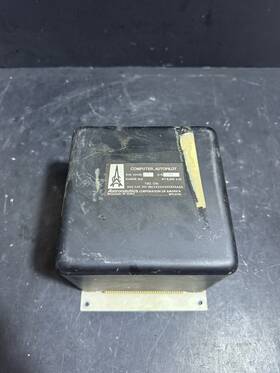
( Brand: Astronautics ), ( Manufacturer Part Number: 131140-9 ), ( Part Type: Module )
Review ASTRONAUTICS Computer Autopilot Module Pn Parts Read
The Astronautics 131140-9 Autopilot Module is an advanced flight control solution designed for aeronautical and space applications. This state-of-the-art autopilot system is well-engineered to provide reliable and accurate navigation, guidance, and control for various types of unmanned aerial vehicles (UAVs), satellites, and other spacecraft.
The 131140-9 Autopilot Module features a high-performance micropilot processor integrated with a bespoke navigation algorithm. This enables it to compute complex flight plans, process real-time sensor data, and make intelligent decisions on the fly. It supports both open-loop and closed-loop control with a wide range of robust and precise control algorithms.
One of the Autopilot Module's key features is its flexible communication capabilities, which include RS-232, RS-422, CAN, I C, and Ethernet interfaces. This extensive connectivity enables seamless integration with various ground control stations, sensors, and payload systems for comprehensive mission control and data logging.
The module boasts rugged construction, consisting of an anodized aluminum enclosure with high-quality potting materials to protect against harsh environments. It is designed to operate in extreme temperature ranges, making it suitable for a wide range of demanding aerospace applications.
Furthermore, the Astronautics 131140-9 Autopilot Module is compatible with various GPS and inertial navigation systems, attitude and heading reference systems, and other sensors to ensure precise positioning and orientation. It also supports multiple flight modes, including manual, auto, and remote, to cater to diverse mission requirements.
The system provides a comprehensive set of diagnostics and fail-safe features, including redundant sensors and actuators to ensure mission continuity even in the event of component failures. Additionally, the autopilot module offers support for custom software development for applications that require advanced functionality.
In conclusion, the 131140-9 Autopilot Module is an ideal solution for aerospace and unmanned vehicle applications that demand precise navigation, advanced control, and reliability under extreme conditions. With its extensive connectivity, proven technology, and rugged construction, it stands out as a proven choice for maximizing mission success.
Autopilot Module 131140-9 for Astronautics: A Comprehensive Analysis
The Astronautics 131140-9 autopilot module is a crucial component for various navigation systems, particularly those used in aviation and space exploration. This analysis aims to provide a detailed overview of the potential advantages and disadvantages of investing in this autopilot module.
**Advantages:**1. Improved aircraft stability: The 131140-9 autopilot module helps maintain precise flight stability by automating attitude control, altitude maintenance, and heading control, enhancing safety and reducing pilot workload.
2. Cost-effective: Compared to other advanced autopilot systems on the market, the 131140-9 is relatively affordable, making it an attractive choice for organizations or individuals with limited budgets but still requiring high-performance autopilot capabilities.
3. Flexibility: This autopilot module is compatible with a wide range of aircraft types, making it a versatile option for various applications and industries, including military, civil aviation, and space research.
4. Accuracy and reliability: The 131140-9 autopilot module is engineered to deliver high accuracy and exceptional reliability, ensuring consistent performance and reduced maintenance needs over time.
5. Enhanced situational awareness: By taking care of routine and repetitive tasks, the autopilot module allows pilots to focus on more critical aspects of the mission, resulting in increased situational awareness and overall safety.
**Disadvantages:**1. Limited integration with other systems: The 131140-9 autopilot module may not seamlessly integrate with all the advanced avionics systems available in the market, requiring additional retrofitting efforts and costs in some situations.
2. Lack of advanced flight modes: For more specialized applications, such as complex formation flying or advanced aerobatics, the 131140-9 might not offer the necessary advanced flight modes that more sophisticated autopilot systems might provide.
3. Potential for manual intervention: While automating most tasks, the included autopilot module still requires human intervention in certain situations. This might translate into additional workload for the pilot and the need to ensure proficiency with manual flying skills.
**Conclusion:**The Astronautics 131140-9 autopilot module offers several advantages, including improved stability, cost-effectiveness, flexibility, accuracy, and reliability. However, there are some limitations, such as limited system integration, a lack of advanced flight modes, and the need for manual intervention in some situations.
Based on the information provided, this autopilot module is well-suited for organizations or individuals seeking a high-performance, cost-effective autopilot solution for various applications. However, for those requiring advanced flight modes or integration with specialized avionics systems, consider more advanced autopilot solutions to meet their unique needs.
Details:
Please buy as is.
specifications aviationpar:
- brand: Astronautics
- mpn: 131140-9
- part type: Module
returns aviationpar:
- policy: No Returns
general aviationpar:
- condition: For parts or not working
- Parts Accessories > Aviation Parts Accessories > Parts
shipping aviationpar:
- type: Calculated
- transit: 5-10 Days
- service: FedEx Ground Economy
- cost: $0.00
- carrier: FedEx
- class: Economy
payments aviationpar:
- wallet: Google-pay
- other
- credit card: Diners-club
seller aviationpar:
- # reviews: 1501
- city: Glendale, Arizona
- rating: 97.8%
offer aviationpar:
- started: January 19, 2025
- sold: 0
- options: Ship-to-home
- quantity: 1
- best offers: True
- availability: In Stock
Astronautics 131140-9 Is Similar To:
- Astronautics 168240-1 Control Box Read (54.5% similar) It did have a tested OK tag on it from 1993 . Please buy as is...(January 20th, 2025)
