ASTRONAUTICS 168240-1 Control Box
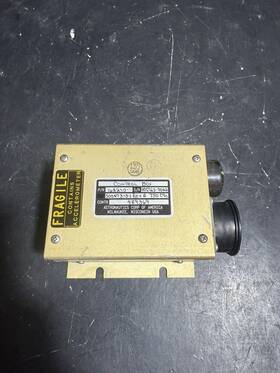
( Brand: Astronautics ), ( Manufacturer Part Number: 168240-1 ), ( Part Type: Control Box )
Review ASTRONAUTICS Control Box Read
The Astronautics 168240-1 Control Box is a versatile and reliable power management solution designed for use in aerospace applications, specifically for managing and distributing power to various payloads and systems in satellite and spacecraft applications. This control box is built with high-reliability components and robust design to ensure optimum performance in extreme environments.
The 168240-1 Control Box features a compact and rugged aluminum enclosure that measures 11.7 inches long, 5.7 inches wide, and 3.0 inches high, making it suitable for constrained installation spaces. Its weight of approximately 10.5 lbs ensures minimal impact on the overall weight of spacecraft or satellite designs.
Power management includes five sets of Distributed Power Control Units (DPCUs) that provide oversight of individual power buses, with configurable voltage and current settings. Each DPCU includes a shunt bearing current sensor, maintaining precise power monitoring for the system. In case of power interruptions, backup power provisions through an integrated battery interface ensure uninterrupted operation of critical payloads.
A user-friendly, three-line, 18 character display shows vital status information, including bus voltage, total power input, status of each DPCU, and warnings. The LCD features local keyboard input and Push-To-Test (PTT) switches for quick configuration and control of mounted parameters. The control box also includes an RS-485 interface for remote access and programming via a laptop or handheld device.
These Astronautics 168240-1 Control Boxes are compatible with a variety of solar panel and battery combinations, allowing custom power management for specific mission requirements. They offer 24V DC power input and output, making them suitable for a wide variety of spacecraft and satellite applications.
The Astronautics 168240-1 Control Box exceeds Mil-Spec requirements for temperature, shock, and vibration, ensuring that it can withstand the harsh conditions of space travel. Its high-performance design, customizability, and ruggedness make it a top choice for any aerospace engineer in need of a reliable power management solution.
The Astronautics 168240-1 control box is a specialized piece of equipment used in various scientific applications, particularly in the field of aerospace and atmospheric research. This device offers numerous benefits but also comes with certain drawbacks. Here, we will discuss the pros and cons of buying a Astronautics 168240-1 control box.
Pros:1. High-quality construction: The Astronautics 168240-1 control box is built with high-grade materials that ensure durability and reliability. It is designed to withstand the rigors of harsh environments, making it an excellent choice for use in demanding applications.
2. Advanced Features: The control box includes advanced features for precise and accurate control of the scientific equipment it is used with. It offers various communication protocols, including Modbus, RS-232, and RS-485, which allow seamless integration with various data acquisition systems.
3. Versatile: The Astronautics 168240-1 control box can be used with a wide range of scientific equipment, including weather radars, lidars, and other sensors used in meteorology, atmospheric research, and aerospace applications. This versatility makes it a valuable investment for research institutions and organizations.
4. Customizable: The device offers numerous customization options to meet the unique needs of individual applications. It can be configured to support various communication protocols, power supplies, and output signals.
Cons:1. High cost: The Astronautics 168240-1 control box is a high-end device and comes with a premium price tag. It may be too expensive for smaller research institutions or individual researchers.
2. Complex setup: The device's advanced features and customization options can make for a complex setup process. It may require technical expertise to install and configure, which may add to the cost and time required to get the device up and running.
3. Heavy: The control box is relatively heavy, weighing in at over 20 pounds. This weight may make it more challenging to transport or install in remote locations.
In conclusion, the Astronautics 168240-1 control box offers numerous benefits for scientific applications, including high-quality construction, advanced features, versatility, and customizability. However, its high cost, complex setup, and weight may make it a challenging investment for smaller institutions or individual researchers.
If you are working in a research institution or organization with a substantial budget and a need for a robust and versatile control box, the Astronautics 168240-1 may be an excellent investment. On the other hand, if you are working on a limited budget or have less complex needs, there may be more affordable alternatives available on the market. Ultimately, the decision to purchase the Astronautics 168240-1 control box should be based on your unique requirements and resources.
Details:
It did have a tested OK tag on it from 1993. Please buy as is.
part #: 1682401 price
- $225.00
specifications aviationpar:
- brand: Astronautics
- mpn: 168240-1
- part type: Control Box
seller aviationpar:
- city: Glendale, Arizona
- rating: 97.8%
- # reviews: 1503
general aviationpar:
- condition: For parts or not working
- Parts Accessories > Aviation Parts Accessories > Parts
shipping aviationpar:
- service: FedEx Ground Economy
- carrier: FedEx
- cost: $0.00
- transit: 4-9 Days
- type: Calculated
- class: Economy
returns aviationpar:
- policy: No Returns
payments aviationpar:
- wallet: Apple-pay
- other
- credit card: Diners-club
offer aviationpar:
- started: January 20, 2025
- best offers: True
- availability: In Stock
- options: Ship-to-home
- quantity: 1
- sold: 0
Astronautics 168240-1 Is Similar To:
- Astronautics 131140-9 Computer Autopilot Module Pn Parts Read (58.6% similar) Please buy as is...(January 19th, 2025)
